

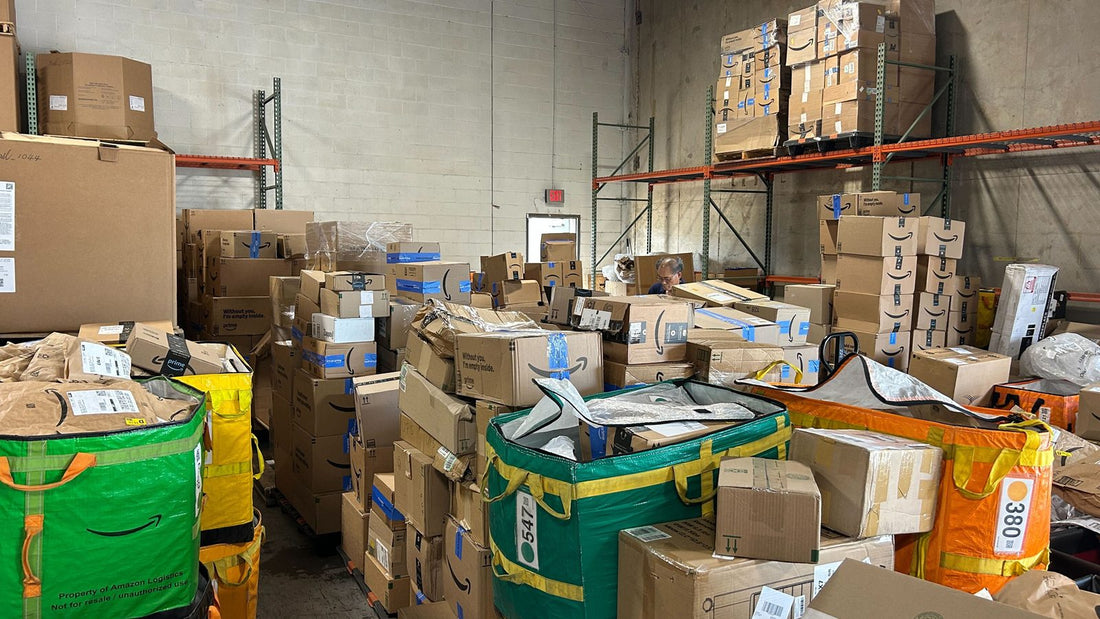
How to consolidate excess inventory pickups across SKUs and sites
Share
Consolidating excess inventory into fewer, fuller pickups cuts handling, dock time and coordination. Stage everything for one sale in one area, palletize to a consistent standard, check counts against the agreed sale and share dock details early. With REMEX, transport cost, timing and responsibility are agreed for each transaction, and pickup follows settlement.
Why consolidating excess inventory pickups helps
As general guidance, every extra pickup adds an appointment, a set of documents, a count and a chance for something to go wrong. Consolidating means:
- Fewer partial pallets and less double handling.
- One count and one set of paperwork per sale.
- Fewer dock appointments competing with your regular shipping.
- A clearer record if a quantity is questioned later.
These are operational benefits. We do not attach an environmental figure to consolidation; the FTC's Green Guides expect environmental claims to be specific and supported by evidence, and a general statement would not meet that standard.
Decide what gets consolidated
Group inventory by sale, not by where it happens to sit. If one sale covers overstocks in two buildings, compare the cost of moving it to one site first against the cost of two separate pickups. Tell REMEX in the submission where each part of the inventory is located so transport can be planned around it.
Staging checklist
- Pull every SKU in the sale into one marked staging area.
- Build single-SKU pallets where you can; label mixed pallets with their contents.
- Label each pallet with an ID, the SKUs on it and the unit count.
- Wrap and stabilize loads; do not exceed the stacking limits of the cartons.
- Photograph each finished pallet from two sides.
- Record pallet count, dimensions and approximate weights.
- Match the staged total to the inventory manifest and the agreed sale.
Dock and site details to share early
- Full pickup address and receiving hours.
- Dock type: dock-high doors, ground level or both.
- Whether a forklift and trained operator will be available.
- Appointment rules, site safety rules and an on-site contact.
Loading is a site safety matter. OSHA's warehousing guidance says only trained and certified workers may operate a forklift, advises keeping a safe distance from loading dock edges, and recommends dock levelers appropriate for the vehicles used in receiving and shipping. Follow your own site rules and OSHA requirements on the day.
Sequence it with the sale
Under the REMEX process, the inventory is submitted and reviewed, buyer matching and sale follow, settlement takes place under the agreed payment terms, and then pickup or delivery is arranged. Do not book trucks or release goods before the sale and settlement are confirmed. An excess inventory audit done earlier makes staging faster because counts and locations are already known.
On pickup day
- Count pallets onto the trailer against the agreed quantity.
- Note any exceptions on the shipping documents before signing.
- Photograph the loaded trailer before the doors close.
FAQ
Do we need a loading dock?
Not necessarily, but say whether you have one. The answer affects which vehicle and handling equipment the pickup needs.
What if counts change after the sale is agreed?
Tell REMEX before pickup. A changed quantity can affect the agreed sale, so it is better resolved before the truck arrives than on the dock.
Can a sale include inventory at more than one warehouse?
That depends on the sale. List each location in the submission, and transport arrangements are agreed with you per transaction.
Next step
Have sold or soon-to-sell stock to move? Submit your inventory with the condition, quantity, location and any sales restrictions, or email sourcing@remexliquidation.com. If the stock sits in an Amazon or Walmart fulfillment center rather than your own warehouse, the e-commerce removal service is a separate route.
Sources
The facts attributed to the organizations below were checked against these pages. Process steps and checklists in this article are general operational guidance, not legal, tax, accounting or environmental certification advice.