
Excess inventory
Liquidation net recovery: pricing excess inventory in real USD
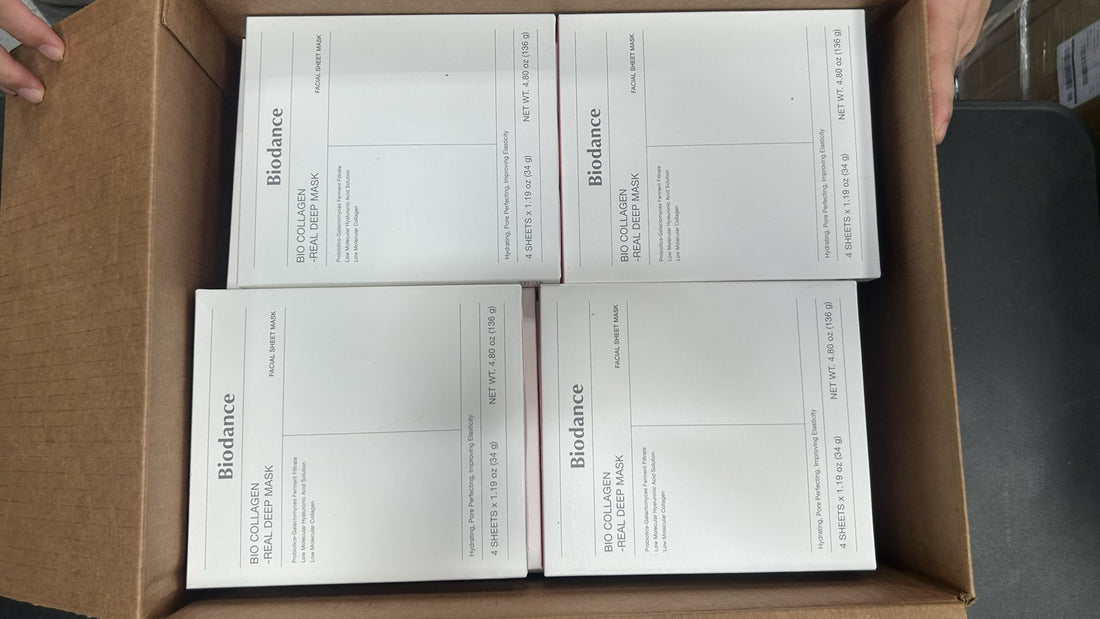
Liquidation net recovery is the cash you keep after every cost, not a percentage of MSRP. Price excess inventory by estimating what buyers can actually resell it for in USD, then subtracting fees, freight, preparation and the holding costs you pay while waiting. Comparing routes on that net figure prevents both underpricing and expensive delays.
Why MSRP is the wrong anchor
MSRP describes what a first-quality product sells for in its intended channel. Liquidation buyers purchase overstocks to resell elsewhere, usually at a discount, and must cover their own freight, handling, testing and risk. Their offer reflects the price they expect to achieve, not the price on your packaging. Amazon's FBA Liquidations page illustrates the gap: contracted liquidators pay a gross recovery value that Amazon describes as about 5% to 10% of the product's value, before Amazon deducts its fees.
A simple net recovery formula
For each SKU or batch, estimate four numbers:
- Realistic resale proceeds: units likely to sell multiplied by the USD price they will actually sell for.
- Program or platform fees: referral, processing, service or removal fees as currently published or agreed.
- Freight and handling: removal shipping, pallets, labor and any freight you are responsible for.
- Holding costs: storage fees and surcharges that keep accruing until units leave or a qualifying order is in process.
Net recovery equals resale proceeds minus fees, freight and handling, and holding costs. Run it for every route you are considering, including keeping the stock. Amazon notes that FBA Liquidations net recovery can be negative and still beat disposal, which is why the cost of doing nothing belongs in the comparison. Walmart, for its part, keeps charging storage on units requested for removal until the order completes. Fee tables change, so pull current figures, such as Amazon's published removal and liquidation fee pages, rather than reusing old numbers.
What moves the price buyers pay
Condition and completeness
New sealed units price above open box, which price above untested. Missing accessories or damaged packaging reduce value.
Quantity and mix
Clean single-SKU quantities, or well-sorted mixed inventory with accurate counts, are easier to price than unsorted pallets.
Dates and shelf life
Remaining shelf life limits which channels can take dated products.
Location and freight
Who pays freight, and from where, changes the net for both sides.
Sales restrictions
Export-only, offline-only or no-marketplace rules protect your brand but narrow the buyer pool.
How REMEX prices and settles
For inventory at your warehouse, the REMEX path is submit, review, buyer matching and sale, settlement, then pickup, with price and payment terms agreed before anything moves. For Amazon returned inventory sent through E-commerce Removal, REMEX receives the units first and then resells them. You receive 70% of the actual resale proceeds and REMEX keeps a 30% service fee, applied before any other agreed costs, so the share follows what units really sell for, not MSRP. Walmart removal terms are confirmed before you connect. Either way, resale keeps usable products in circulation instead of in storage or disposal.
Net recovery checklist
- List units by SKU, condition and dates.
- Estimate a realistic USD resale price per unit.
- Pull current fee tables rather than old figures.
- Clarify who pays freight and from which address.
- Add the storage and surcharges you will pay while waiting.
- Compare net recovery across return, disposal, liquidation and resale.
- Confirm payment terms in writing before pickup.
FAQ
Is a higher offer always better?
Not if it comes with freight, preparation or delays that you pay for. Compare net figures, not headline prices.
Can net recovery be negative?
Yes. Amazon says FBA Liquidations net recovery can be negative after fees, though it may still recover more than disposal. See our FBA removal options guide, returns sorting guide and slow-moving inventory guide for related decisions.
Next step: Submit warehouse inventory for review, or for Amazon and Walmart removals, see how E-commerce Removal works. Email sourcing@remexliquidation.com.
Sources: Amazon: FBA Liquidations · Amazon: 2026 FBA removal, disposal and liquidation order fee changes · Walmart: WFS inventory, remove items from a fulfillment center
Have inventory like this?
Share your inventory details, target price and sales requirements.
Sell your inventory →