
Excess inventory
Sustainable overstock liquidation: a resale-before-disposal framework
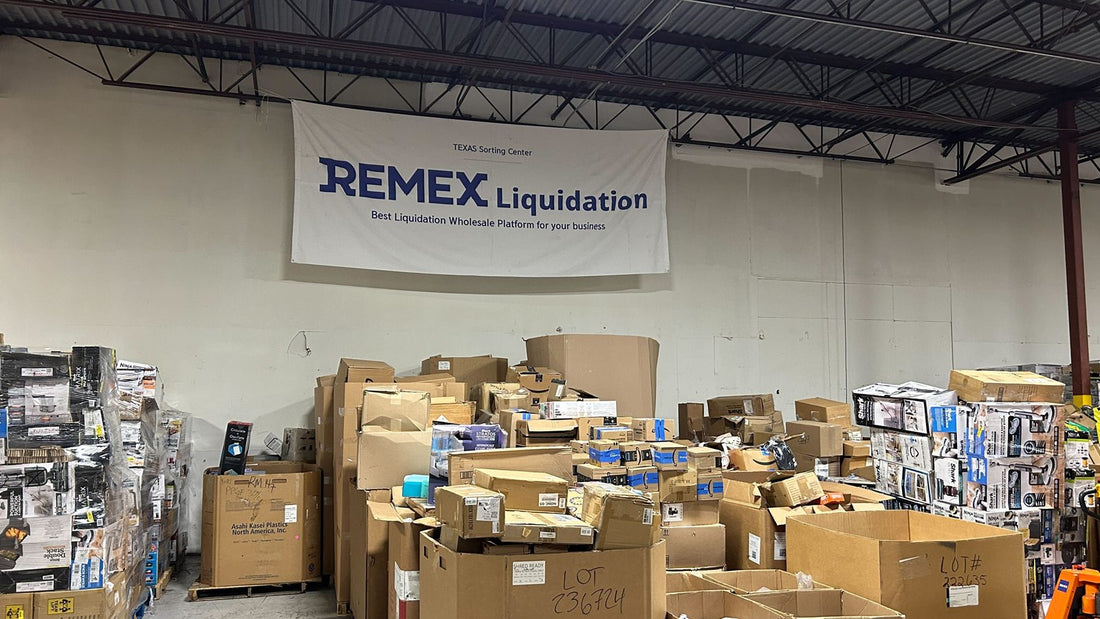
Sustainable overstock liquidation means trying resale before disposal. Sort excess inventory by condition, seek buyers for eligible goods, recycle accepted materials and dispose of the remainder properly. When products are actually resold and used, this can extend their useful life and reduce disposal. Keep claims tied to documented outcomes.
Why resale comes before disposal
The U.S. EPA's non-hazardous materials and waste management hierarchy ranks management strategies from most to least environmentally preferred. Source reduction and reuse sit at the top, followed by recycling and composting, then energy recovery, with treatment and disposal at the bottom. EPA lists reusing or donating items as forms of source reduction, and it also notes that no single approach suits every material or waste stream.
For a warehouse holding overstocks, the practical reading is simple. A finished, sellable product that reaches a buyer who uses it is still doing the job it was made for. Liquidation is one way to get it there when your normal sales channels cannot.
A four-step resale-before-disposal framework
1. Separate sellable from non-sellable
Start with condition, not price. New and sealed units, open box, shelf-pulls, customer returns, damaged packaging and short-dated goods each have different buyers. Units that are broken, unsafe, recalled or past a hard expiry belong in a different stream. The CPSC states that it is illegal to sell any recalled product, so recall checks come before any resale plan.
2. Decide which channels you will allow
Before anyone sees the inventory, decide where it may be sold. Common restrictions include export only, no online resale, no Amazon or Walmart relisting and hiding the brand name. Each restriction protects something and also narrows the pool of buyers, so choose the ones the product actually needs.
3. Offer it for resale while it still has value
Excess inventory tends to lose value with time as seasons pass, packaging changes and shelf life runs down. Starting the liquidation conversation early keeps more options open, including selling the inventory as a whole rather than unit by unit.
4. Recycle or dispose of the remainder properly
Some units will not sell. Recycling, where a program accepts the material, ranks above disposal in EPA's hierarchy. Whatever remains should go through a documented disposal route that follows local rules.
How to describe the sustainability benefit honestly
The FTC's Green Guides say marketers should not make broad, unqualified claims such as "green" or "eco-friendly," and that any general claim should be limited to a specific benefit that can be substantiated. For liquidation, that means describing what actually happened instead of reaching for a label.
- Say "resold for continued use" only for units that were actually sold to a buyer.
- Describe the benefit as extending useful product life and reducing disposal, not as an overall environmental benefit.
- Do not publish an environmental savings figure unless you have measured it and can support it.
- Do not imply a certification or seal you do not hold.
- Keep records of what was sold, recycled and disposed of, so every statement can be checked.
This is guidance for your own communications. If you plan to make environmental claims in advertising, review them with counsel.
Where REMEX fits
REMEX helps with the resale step for inventory held at your own warehouse. You submit the inventory with its condition, quantity, location, total retail value, target price and any sales restrictions. REMEX aims to review each submission within 24 hours and then looks for suitable buyers. A review is not an offer and does not guarantee a price or a sale. If a sale is agreed, settlement follows under the agreed payment terms, and pickup or delivery is arranged after settlement.
FAQ
Is liquidation always better than disposal?
No. Recalled or unsafe products must not be resold, and some goods cost more to move than they can recover. For usable products with buyer demand, resale keeps them in use, which disposal cannot do.
Can we call our liquidation program sustainable?
Describe specific facts your records support, such as how many units were resold rather than discarded. Avoid unqualified labels, and keep the claim tied to the inventory you actually handled.
Do we need a full inventory list to start?
No. A clear description is enough to begin a review. A list with SKUs, quantities and condition notes usually reduces follow-up questions.
Next step
Ready to try resale before disposal? Submit your inventory with the condition, quantity, location and any sales restrictions, or email sourcing@remexliquidation.com. If the stock sits in an Amazon or Walmart fulfillment center rather than your own warehouse, the e-commerce removal service is a separate route.
Sources
The facts attributed to the organizations below were checked against these pages. Process steps and checklists in this article are general operational guidance, not legal, tax, accounting or environmental certification advice.
Have inventory like this?
Share your inventory details, target price and sales requirements.
Sell your inventory →