
Brand protection
Brand protection in resale channels: restrictions and their tradeoffs
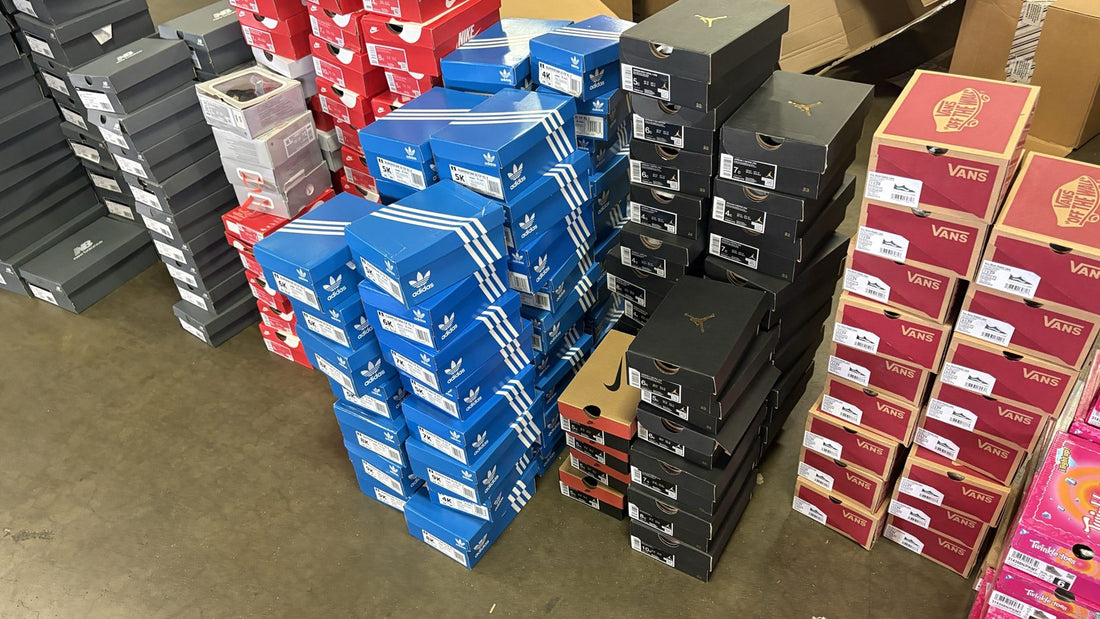
Brand protection in resale channels comes down to sales restrictions that let you liquidate overstocks while limiting where they reappear. The tradeoff is real: every restriction narrows the pool of buyers, which can lower or slow offers. Match restrictions to the risk each product line actually carries, write them into the submission, and drop any rule that protects nothing.
The restrictions you can choose
The REMEX submission form asks where your excess inventory may be sold. The options are:
- No restrictions: seeks the best available price across channels. This is not a guarantee of a price or a sale.
- Export only: sold outside your home market.
- No online resale: offline and wholesale channels only.
- No Amazon or Walmart relisting: these two marketplaces are excluded.
- Brand name hidden: listed without your brand name.
- Not sure, advise me: the restrictions are discussed during the review.
You can also name specific countries or channels to exclude.
Match the restriction to the product's stage
The same rule can be essential for one SKU and wasteful for another. As general guidance, think about where each product line sits in its life.
Active line sold at full price
Your own listings and retail partners are most exposed. Export only or no Amazon or Walmart relisting usually protects the channel that matters most. Expect fewer buyers and plan for it.
Line being phased out
Retail partners may still carry it, but you are not defending it long term. A narrower rule, such as excluding one marketplace or one country, often balances protection and price.
Discontinued, no live listing
There may be little left to protect. A heavy restriction here can cost buyers and price for no benefit. Consider no restrictions, or brand name hidden only.
Questions to ask before choosing
- Which channel would be hurt most if this product reappeared at a discount?
- Do distributor or retailer agreements limit where this SKU can go?
- Does packaging, labeling or certification limit which countries it can be sold in?
- Would hiding the brand in listings be enough, given the brand stays on the product?
- What happens to the inventory if a restriction means no buyer is found?
The legal context, briefly
The FTC's guide to antitrust laws says limitations on how or where a dealer may sell a product are generally legal when a manufacturer imposes them acting on its own, and that issues can arise when competitors agree together to impose restraints. It also notes that some state laws and international authorities treat minimum resale price rules as illegal per se. This is background, not legal advice. Have counsel review any restriction that touches resale pricing.
How to make restrictions hold
- Put them in the sales rules section of the submission, not only in a later email.
- Name countries and channels specifically rather than using broad phrases.
- Remember that brand name hidden is a listing control; the brand remains on the product and packaging.
REMEX reviews country, channel and brand-visibility requirements with you before buyer matching. Restrictions also affect the net recovery comparison, and buyers will look for them on the inventory manifest.
Brand protection and sustainability
A restriction so tight that no buyer can accept it can push usable inventory toward disposal, which sits at the bottom of the EPA's waste management hierarchy. Reasonable restrictions keep a sale possible, so products stay in use while your brand stays protected. That balance sits at the center of the resale-before-disposal framework.
FAQ
Will restrictions lower the price?
Often, because fewer buyers can accept them. The difference depends on the product and the rule, which is why choosing only the restrictions you need matters.
Can we change restrictions after submitting?
Tell REMEX as early as possible. Changes after buyer matching has started can affect which buyers remain interested.
Next step
Know which channels you need to protect? Submit your inventory with the condition, quantity, location and any sales restrictions, or email sourcing@remexliquidation.com. If the stock sits in an Amazon or Walmart fulfillment center rather than your own warehouse, the e-commerce removal service is a separate route.
Sources
The facts attributed to the organizations below were checked against these pages. Process steps and checklists in this article are general operational guidance, not legal, tax, accounting or environmental certification advice.
Have inventory like this?
Share your inventory details, target price and sales requirements.
Sell your inventory →