
Excess inventory
Sustainable inventory recovery metrics by units and weight
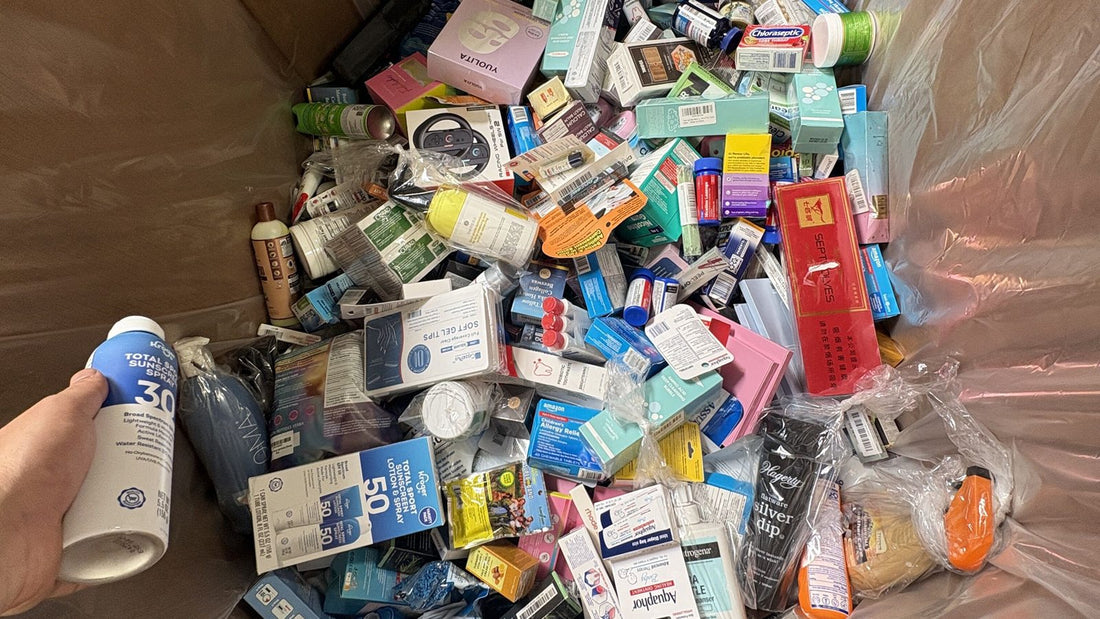
Sustainable inventory recovery is best measured with records you can verify: units and weight by destination, such as resold, reused for parts, recycled or disposed. Those numbers support honest statements about keeping products in use. Avoid carbon estimates or broad green labels unless you have the substantiation the FTC Green Guides expect.
Why simple metrics are more credible
The FTC's Green Guides, published as 16 CFR Part 260, say environmental marketing claims must be truthful and supported by a reasonable basis, which often requires competent and reliable scientific evidence. They also warn that unqualified general environmental benefit claims are difficult to interpret and hard to substantiate. A specific, checkable statement such as "units resold for continued use this quarter" is stronger than a vague label, because anyone can trace it back to records.
What to measure
Units by destination
Assign every unit that leaves your excess inventory or returns stream to one destination: resold as new, resold graded or refurbished, sold for parts or repair, donated, recycled, or disposed. Units are the most natural metric for sellers because they match SKU records and settlement statements. Count each unit once, at its final destination, so totals reconcile with the quantity you started with.
Weight by destination
Weight lets you compare mixed categories and matches how EPA reports national materials and waste data, in tons. Weigh pallets at shipment or use catalog shipping weights, and state which method you used.
Share kept in use
Divide units or weight resold, reused or donated by the total handled. Label it plainly, for example "share of units resold or reused", and report recycling and disposal as separate lines rather than folding them in.
Time to recovery
Count the days from a SKU being flagged as excess to leaving your books. Faster recovery generally leaves more resale channels open and more product life to use.
Use the EPA hierarchy for categories
EPA's non-hazardous materials and waste management hierarchy ranks source reduction and reuse first, then recycling and composting, then energy recovery, then treatment and disposal. EPA lists reusing or donating items as forms of source reduction. Mapping your destinations to those tiers gives a report a recognized structure without inventing impact figures, and it shows clearly how much inventory reached the most preferred tier.
Where the data comes from
Sustainable inventory recovery reporting is only as reliable as its source documents. Useful records include:
- Removal order reports from Amazon, and the Returned to Seller report from Walmart WFS.
- Bills of lading and pallet weights for each shipment.
- Settlement statements showing units sold.
- Written confirmations from buyers, recipients or recyclers for units sent to parts, donation, recycling or disposal.
Whichever recovery partner you use, including REMEX, agree up front which records you will receive, so your metrics are complete and match what was actually sold or shipped.
Recovery metrics checklist
- Define destination categories before you start tracking.
- Record units and weight per destination for each shipment.
- Note whether weight was measured or estimated.
- Keep the document that supports each figure.
- Report recycling and disposal separately from resale.
- Leave out emissions figures or broad environmental labels you cannot substantiate.
FAQ
Can I report carbon savings from resale?
Only with a documented methodology and evidence that meets the Green Guides' substantiation standard. Units and weight by destination are safer and still meaningful.
Do donated units count as reuse?
EPA lists donating items under source reduction and reuse. Keep the recipient's written confirmation on file, and report donations as their own line.
Related reading: Amazon FBA removal options, sorting customer returns for resale and liquidation net recovery pricing.
Next step: Submit warehouse inventory for review or see how E-commerce Removal works for Amazon and Walmart removals. Email sourcing@remexliquidation.com.
Sources: FTC: Green Guides · eCFR: 16 CFR Part 260, Guides for the Use of Environmental Marketing Claims · EPA: Non-hazardous materials and waste management hierarchy · EPA: National overview, facts and figures on materials, wastes and recycling
Have inventory like this?
Share your inventory details, target price and sales requirements.
Sell your inventory →